

Whether you’re thinking about buying your first home or you’re an experienced investor looking to diversify your portfolio, there’s one key concept that determines the long-term success of your decision: appreciation (plusvalía).
You’ve surely heard the term, but do you really understand how it works, what drives it and, above all, how you can maximize it in your favor in the dynamic Dominican Republic market?
In this guide, we’re going to demystify appreciation. We’ll explain in plain, direct language what it is, who pays the taxes associated with it and how it behaves across different types of properties. Our goal is that, by the time you finish reading, you’ll have the confidence and knowledge to make your next real estate investment not only safe, but incredibly profitable.
What Exactly Is Appreciation? (And Its Other Names)
In the simplest terms, appreciation is the increase in your property’s value over time. You buy a property at one price and, thanks to a series of factors, years later it’s worth much more. It’s the difference between the purchase price and the sale price.
It’s a term you’ll hear in various ways depending on where you’re from:
- Capital Gain: This is the term used in the United States. It’s exactly the same thing: the profit you make when selling an asset.
- Valorization: Very common in Latin America, it simply refers to how a property gains value.
- Appreciation: Another direct synonym focusing on the growth of the asset’s value.
A note for investors from Spain: In Spain, there’s the "Municipal Plusvalía," a specific local tax. In the Dominican Republic, when we talk about plusvalía, we mean the general concept of capital gain, not a municipal tax by that name.
The Engine of Value Growth: How Does Appreciation Work in Practice?
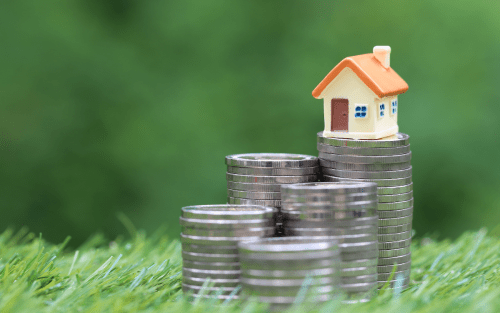
Your property’s value doesn’t increase by magic. It’s the result of a combination of factors that work together to make it more desirable and valuable. As we explored in our Definitive Guide to Investing in Real Estate in the DR, appreciation is one of the two great engines of your profitability.
These are the factors that drive it:
- External Factors (The Environment):
- Location, Location, Location: The golden rule never fails. Proximity to beaches, shopping centers, hospitals, schools and airports is an engine of appreciation.
- Infrastructure Development: Are they building a new highway? Upgrading the airport? Every improvement in public infrastructure increases the value of the surrounding properties.
- Economic and Tourism Growth: An area with growing tourist flow or new companies generating jobs attracts more people and increases housing demand, pushing prices up.
- Security and Exclusivity: Gated communities and areas perceived as safe and exclusive tend to have higher and more stable appreciation.
- Internal Factors (Your Property):
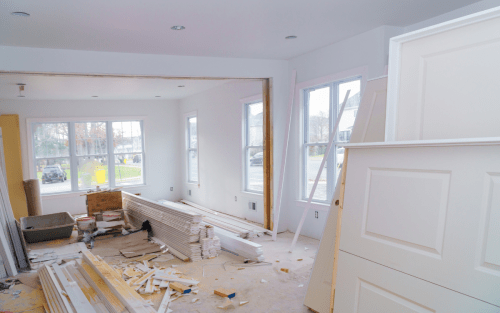
- Improvements and Renovations: A modern kitchen, a renovated bathroom or the addition of a pool are investments that translate directly into a higher resale value.
- Maintenance: A well-kept property not only avoids losing value, it appreciates faster than a neglected one.
Unique Features: An unobstructed ocean view, a special architectural design or a large garden are differentiators that command a premium price.
The Key Question: Who Pays the Capital Gains Tax in the Dominican Republic?
This is one of the most frequent questions and it’s crucial to be clear about it.
In the Dominican Republic, appreciation itself isn’t "paid." What’s paid is the capital gains tax that this appreciation generates at the time of sale.
- The Direct Answer: The seller of the property is responsible for paying this tax.
- How Is It Calculated?: The tax is 27% on the net gain. The formula is: (Sale Price) – (Original Purchase Price + Cost of Documented Improvements) = Net Gain. The 27% is applied to that Net Gain.
Practical Example:
- You buy an apartment for US$200,000.
- You invest US$20,000 in a kitchen renovation (and keep the receipts).
- Years later, you sell it for US$300,000.
The net gain would be: US$300,000 – (US$200,000 + US$20,000) = US$80,000. The tax payable would be 27% of US$80,000 = US$21,600.
Important note: If the property is under the Confotur Law, there may be exemptions. Always consult a tax advisor.
Appreciation by Property Type: They Don’t All Grow the Same
Each type of property in the Dominican Republic behaves differently in terms of value growth, aligned with an investor profile.
- Land: Has the highest percentage appreciation potential. Buying a lot in an emerging area (like Miches) before development takes off can generate exponential returns. It’s a bet on the future, since it doesn’t generate rental income.
- Apartments in Tourist Projects: They offer a powerful combination of appreciation and rental cash flow. Their value is driven by tourist demand and the quality of the amenities. Ideal for the investor seeking both passive income and capital growth.
- Luxury Villas: They represent solid and stable appreciation. Their value is anchored in the exclusivity, privacy and prestige of their location (e.g., Casa de Campo). They’re considered "blue-chip" assets, safe and with steady growth.
- Urban Houses and Apartments: Their appreciation is more stable and tied to the organic growth of cities like Santo Domingo or Santiago. It’s driven by local demand, quality of life and nearby services.
How to Choose a Property With High Appreciation Potential
Appreciation isn’t found by chance, it’s identified with strategy. Your ability to see a property’s future potential is what will separate a good investment from an extraordinary one. Here’s a practical checklist to analyze any opportunity:
- Research the Future, Not Just the Present. Don’t limit yourself to what you see today. Become a detective of the area’s future development.
- Infrastructure Plans: Are there government plans for new roads, airport expansions or a new cruise port nearby? Projects like the expansion of the Punta Cana Airport or road improvements toward Miches are direct triggers of appreciation.
- "Anchor" Projects: Find out whether major luxury hotel brands (such as Four Seasons, St. Regis) or renowned golf course developers are planning to enter the area. These brands don’t invest blindly; their presence is a sign that the area is about to take a leap in quality and value.
- Choose the Developer, Not Just the Project (For Pre-Construction). When buying off-plan, you’re investing both in the property and in the developer’s reputation.
- Proven Track Record: Research their previous projects. Did they deliver on time? With what quality? Talk to owners in those projects. A developer with an impeccable track record not only gives you security, but their properties tend to appreciate faster thanks to the trust their brand generates.
- Structural Security: Make sure the project is protected by a real estate trust (fideicomiso). This not only protects your money, it also indicates the project has passed the filters of a serious financial institution.
- Look for Sustainable Differentiation. Ask yourself: What does this property have that’s difficult or impossible to replicate?
- Protected Views: A guaranteed ocean view that can’t be blocked by future construction is an invaluable generator of appreciation.
- Premium Location Within the Project: Within the same complex, the corner apartment with the best view or the villa with the largest garden will always appreciate more than the rest.
- Unique Access: Being inside a world-class resort community (like Casa de Campo) or having direct, private beach access are competitive advantages that sustain value over the long term.
- Analyze the Quality of the Community. A property is part of a larger ecosystem.
- Condominium Management: A well-run condominium, with healthy finances, a good reserve fund and clear rules, is an environment where property values thrive. A poorly managed condominium with internal problems can stall the appreciation of even the best property.
- Neighbor Profile: A community whose owners care for their properties and respect the rules helps maintain and increase collective value.
Appreciation Isn’t Luck, It’s Strategy
The growth in your property’s value in the Dominican Republic isn’t a lottery. It’s the direct result of a growing market and, above all, of your strategic decisions: where you bought, what type of property you chose and how you cared for it.
Understanding appreciation transforms you from a simple owner into a smart investor. It allows you not only to enjoy your asset, but also to watch it grow and work for you.
Want to find properties with the highest appreciation potential?
Our market knowledge lets us identify those hidden gems and projects in emerging areas that promise the highest returns.
Contact an Advisor to Identify High-Appreciation Opportunities